In a time of technological innovation and advancement, the world has witnessed a transformative transformation in the way that industries operate. Leading players across various industries have taken advantage of the potential of robots and automation to simplify processes, increase productivity, and gain a competitive edge on the market. Robotics is the primary factor in this transformation. This field encompasses robotic design, installation, and integration across a variety of industries.
Understanding Robotics Applications
Robotics is a science and engineering field that focuses on robot design, construction, use, and operation. A robot, in essence, is a machine that is capable of performing tasks autonomously or with the assistance of a human. They are made to complete repetitive and complex tasks, sometimes in hazardous situations.
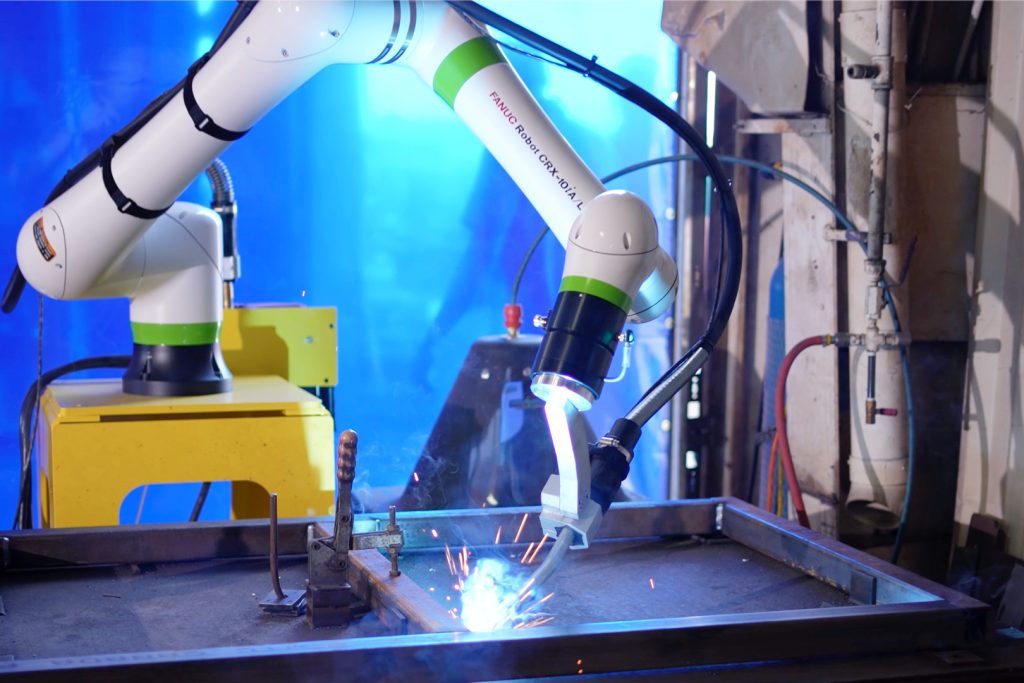
The realm of robotics extends beyond simple automation. It covers a wide range of applications that aim to revolutionize industries and improve human lives. Robots are becoming more popular across a wide range of areas, from healthcare and manufacturing to entertainment and logistics.
The Automation Revolution: The Rise of Automation: A Paradigm Change
The modern industrial revolution is built on automation specifically robotic automation. The integration of automated systems has significantly altered the way that firms operate, improving processes and driving efficiency. Automation is the process of allowing robots or machines to perform tasks without the involvement of humans and using technology to improve speed, precision, and productivity.
Particularly, robotic automation is the use of robots to complete tasks that were traditionally completed by humans. The robots are developed to mimic human behavior and are therefore able to be used as assets throughout industries. For example, whether it’s to put together products in a factory or perform intricate surgery in healthcare, robots are revolutionizing how work gets done.
Automation by Robotic Process Automation (RPA), one of the pioneers in efficiency
Robotic Process Automation (RPA), an automation subset, involves automated tasks using rules that are part of business processes. RPA makes use of software robots, or “bots”, to perform routine tasks. This allows human employees to concentrate on more challenging tasks.
RPA integration has become an essential component in many industries and brings agility, cost-efficiency, and precision to business processes. From invoicing and data entry to customer service and HR operations, RPA is reshaping workflows and elevating the overall efficiency of organizations.
Advancing Industries with Fanuc Robots
One notable player in the realm of robotics is Fanuc the leader in the design, development, integration, and installation of robots that are suitable for a broad range of industries. Fanuc’s robots are known for their reliability, precision, and versatility. This makes them the most preferred choice for many areas.
Fanuc robots have the potential to transform industrial processes. They are designed to increase throughput, keep the highest standards of quality, and increase overall productivity. Furthermore, Fanuc’s unique solutions are designed with a keen focus on enhancing safety by removing employees from dangerous tasks.
Fanuc: the benefit of driving performance
Industries that use Fanuc robots gain an advantage in their markets. Fanuc robots can boost efficiency and productivity, leading to a greater return on investment. By automating repetitive and labor-intensive tasks, businesses can allocate personnel for tasks that require creative thinking, problem-solving skills, and critical thinking, ultimately fostering innovation and growth.
Furthermore, Fanuc’s robotized solutions are designed to meet the specific needs of different industries. The innovative approach of Fanuc in the development and deployment of robots allows industries to adapt quickly to the changing demands of markets, stay ahead of their rivals, and attain sustainable growth.
The Future is Here: A Glimpse
The world of robotics, technology, and automation is likely to evolve as technology advances. The future may bring enhanced artificial intelligence, improved sensors, and increased interaction between robots and humans that will result in an improved and more efficient working environment.
In conclusion, the fusion of automation and robotics, including Robotic Process Automation and Fanuc robots, is revolutionizing industries, and propelling them towards the future. Robotics has helped businesses succeed in today’s competitive market and also open up new avenues for innovation in technology. Automation and robotics is likely to influence the world as we transition into a new age.