A lot of people find the financial world complicated with a myriad of terms and ideas. The secondary and primary markets are two of these that have different but interconnected functions in the lifecycle of an asset (stock bonds, stocks, etc.). This article will explain the two phases and provide insight into the way companies and investors manage the trading market.
The place of birth: The primary market
Imagine a company that has plans to expand however, the cash flow of the company is not enough to support it. Markets are a place that businesses can raise capital via the issue of new securities. This is typically related to the Initial Public Offering (IPO) which is when a company goes public for the very first time. Investors get the opportunity to control the company’s future when they participate in an IPO.
The main market does not just comprise IPOs. Other offerings may be utilized to raise capital by businesses by issuing bonds, new shares directly to institutions, or through seasoned equity offerings (selling an additional share following the IPO). This is essential for businesses looking to reach their goals for growth regardless of the kind of offer.
The secondary market: The trading floor
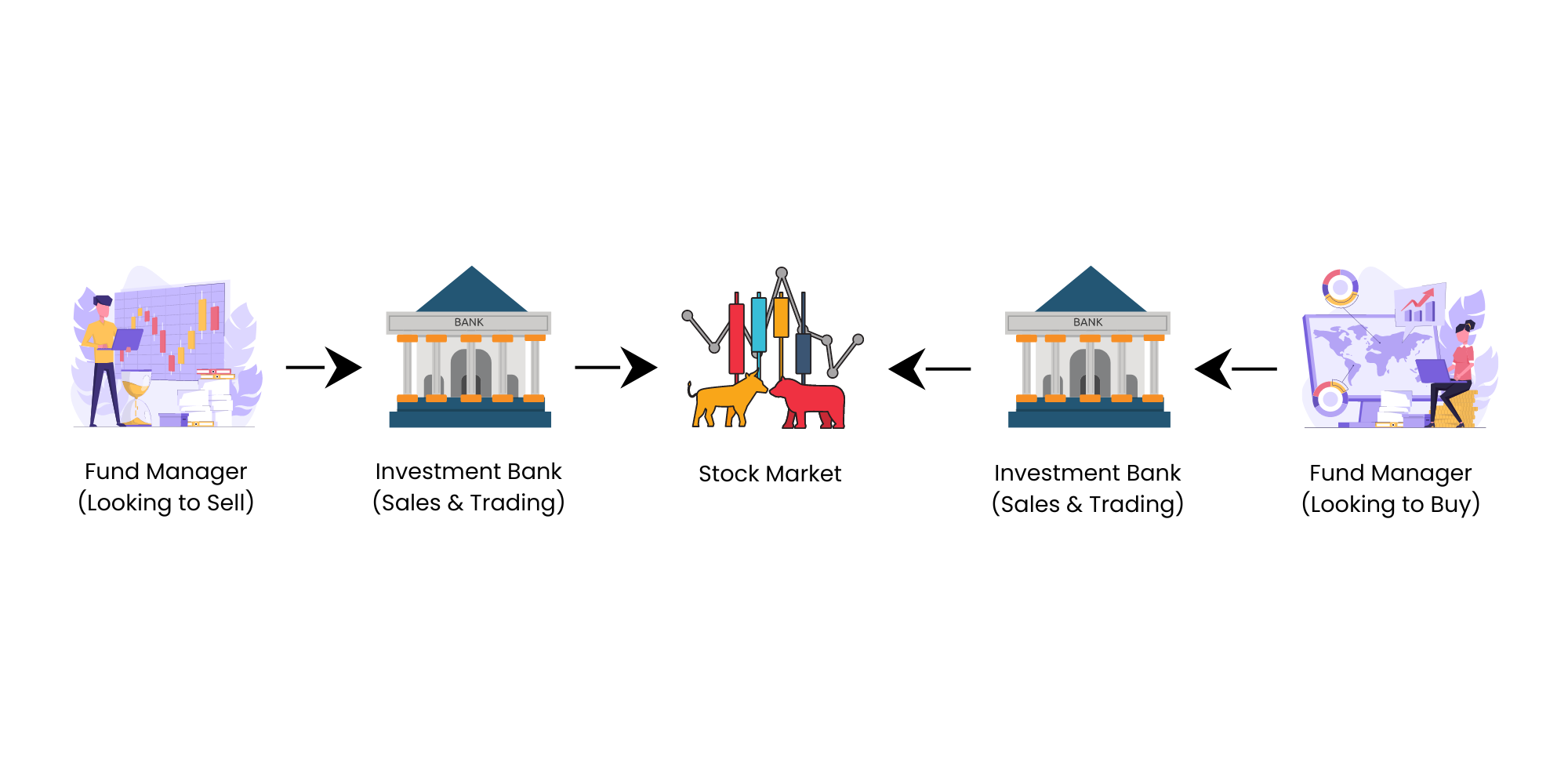
What happens when firms seek capital from the main market? The secondary market is now fully in operation. Think of it as a stock market, where investors are able to trade in securities that have already been issued. The secondary market differs from the primary market, where corporations must create new securities. It allows for the sale and purchase of securities that are already in circulation.
Liquidity is one of the main benefits of the secondary market to investors. Liquidity refers to the ease of purchasing or selling investments. If a company has its securities on a secondary market, like the NYSE or NASDAQ this allows investors to buy and sell positions.
The Circle of Securities – From the IPOs to Everyday Trade
If we consider the life cycle of assets and its lifecycle, the link between the two markets becomes clearer. When a business sells its shares via an IPO, (primary market) opens the door for it to sell their shares in the secondary market. Investors are able to purchase and sell the shares after they have been listed. This can cause price changes depending on supply and demand. The constant trading and buying of shares on the secondary market is essential for the process of price discovery. It is a reflection of the worth of a business in the long run.
Why should investors be concerned? Understanding Both Markets
Understanding the primary market as well as the secondary markets is crucial for investors. The primary market offers investors with the chance to invest early in the course of the company’s development and earn high returns should it succeed. IPOs are risky and be more risky for investors.
The secondary market provides an array of investment options and lets investors buy and sell securities based on their research into markets. The secondary market has more liquidity, but it might not offer the same rapid growth potential that certain traditional market offerings.
Choosing Your Market Entry Point
The decision between the primary market and secondary market is contingent on the investor’s objectives and risk tolerance. Investors who are seeking high growth opportunities must be cautiously evaluating IPOs. People who want security and stability will discover that companies with a long history of being that are listed on secondary markets are appealing to these investors.
The cycle continues that includes the financing of expansion and dynamism of markets
Secondary and primary markets are connected to drive the market for stocks. Primary markets are where businesses seek capital to grow while secondary markets are where investors exchange securities. The dynamic market affects the performance of the individual businesses and the overall general health of the economy.
In conclusion: Decoding the two phases
Investors can better navigate the complexities of finance when they are aware of the distinctions between the primary market and secondary markets. This information will allow you to make better decisions about your investments and may help you reach your financial goals.