Viking culture is encased with a mystique built on faith, strength, and honor. Viking arm ring stand out among the artifacts of the Viking Age as symbols of strength, loyalty and significance to the culture. The arm ring can also be called the Norse Arm Ring, Viking Bracelet, or Norse armband. It’s more than an accessory.
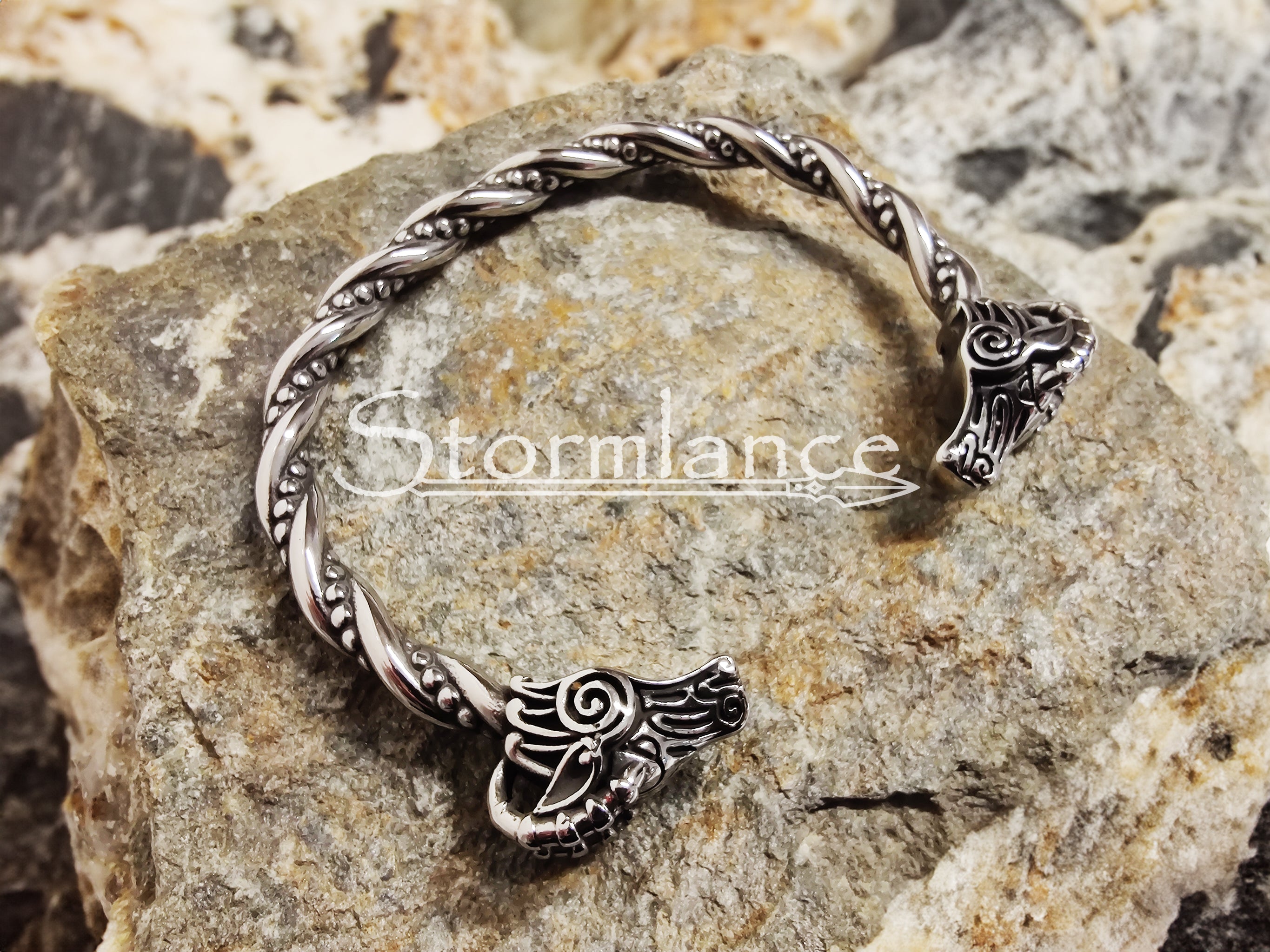
Viking Arm Rings – Their Origins and Meaning
Viking armbands were not just ornaments in the medieval period of Scandinavia They had a meaning. The rings, which were typically made from precious metals like silver or gold, featured intricate designs that reflected the wearer’s wealth, status and loyalty. Viking arm rings were highly sought-after by the Norse elite because of their design, size and the materials.
But beyond their decorative appeal, Viking arm rings served functional purposes. They were worn by Viking warriors to pledge their loyalty to gods or leaders in ceremonies. This ceremony of swearing an oath touching or holding the arm the ring was considered a sacred ceremony that binds the person to their word and allowing the gods to be witnesses. In a culture where coins weren’t common, the arm rings could also be used as currency. Rings can be used as currency in times when they are needed, highlighting their value.
Viking Bracelets, a Symbol of Brotherhood & Loyalty
While Viking arm rings were often used to signify individual power and wealth, Viking bracelets also played a crucial role in symbolizing the bonds of brotherhood and loyalty. They are frequently traded among warriors, to show loyalty and trust. Such symbol of loyalty played a vital role in keeping the Vikings community together, especially in their brutal and harsh times.
Viking bracelets come in a range of styles, ranging from simple unadorned, plain pieces to intricately embellished pieces with mythological motifs. These designs had deeper meanings than just being ornamental. A bracelet with a wolf could be a symbol of strength and ferocity. Another one, however, made of interlocking ropes could symbolize the interconnectedness and fate of life.
Men’s Viking Jewelry Revival in the Modern Age
Recently, Viking jewelry has become more sought-after by males. This is particularly true of wristbands and arm rings. This revival isn’t just about fashion, but rather about reconnection with a rich heritage that speaks universal themes like respect, loyalty, and strength.
A lot of the designs in modern Viking jewelry are directly inspired by ancient artifacts. However, today’s craftsmen also add a modern twist to these traditional designs, making pieces that resonate with contemporary sensibilities, while paying homage to the past.
One of the most appealing features of Viking jewelry for males is the flexibility. Viking wristbands or arm rings add a touch rugged elegance to any outfit. These pieces are especially loved by those who appreciate the blend of fashion and tradition. They offer a way to wear an item of the past, while also expressing your personal persona.
Picking Your Viking Arm Ring and Bracelet
Selecting the most appropriate Viking arm bracelet or ring is a personal journey. There are a variety of options when it comes to the materials and styles. Find a piece that reflects your style and values. This collection is for everyone, regardless of whether you’re drawn by the beauty and symbolism of Viking jewelry or the brotherhood represented by the Norse arm ring.
Consider the significance of each Viking piece signifies to you when selecting your Viking jewelry. Perhaps you are looking for a statement of strength or to connect with your heritage. Or perhaps you are just searching for an accessory that is distinctive and significant. The Viking arm ring and bracelet are more than just jewelry. They’re a statement.
Conclusion
Viking arm bands and bracelets are timeless because they can connect the world of history to modern fashion. These Viking jewelry pieces for men not only represent an impressive heritage, but are also powerful symbols of individual identity. Viking armbands and rings continue to attract, inspire and capture those who wear them.