Wall blocks that are retained have transcended their utilitarian roots, and become the masters of the canvas of outdoor space. The flexibility of these blocks has evolved to become a major feature in landscape design. This exploration unravels the myriad benefits of walls for retaining, and sheds light on their transformative potential in outdoor environments.
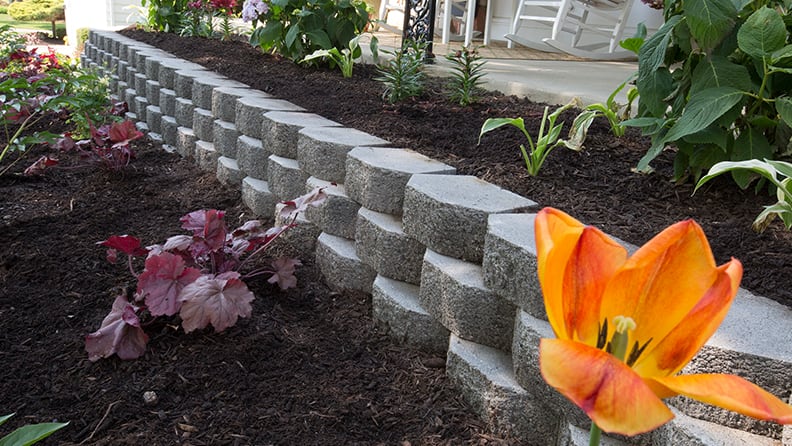
These blocks are available in a variety of sizes and shapes. They allow the property owner to design a unique appearance. The design possibilities are endless, whether they’re constructed from the exquisite rawness of natural concrete or stone. Landscape architects, designers and other professionals consider these blocks to be a great way to create cohesive and enticing outdoor spaces that reflect the locality.
Guardians of Stability: Beneath Surface Allure
In addition to their attractive design, retaining wall blocks offers a wide range of functional advantages. As protectors against soil erosion, these blocks assume the function of custodians. They safeguard the integrity of landscapes by shielding them from water runoff which can cause erosion of outdoor spaces. They provide stability to sloping or uneven terrains, transforming irregular landscapes into level sanctuaries suitable for peaceful outdoor living or lush gardens.
Retaining Wall Blocks are a great option for those who wish to upgrade their landscapes but don’t need to spend a fortune. They’re a great value because of their easy installation and low maintenance. Blocks that are visually appealing retaining wall but are also sturdy and durable, without compromising their aesthetic appeal.
Versatile Sculptors: Defining Outdoor Living Areas
Retaining block wall sculptures are more than functional blocks. They are a way to define and define outdoor areas. By integrating strategically walls that retain homeowners can create distinct zones to accommodate a variety of activities, including al fresco cooking, gardening or relaxing. Blocks like these can be used for many purposes beyond functional delineation. They create privacy barriers for landscape features or can highlight water installations and sculpture gardens.
The ability to stack precast concrete blocks for retaining walls is a great advantage. They can support three layers of soil before they require geo-grid to strengthen it. The more extensive the layout the greater strength and stability are needed when walls grow in the height. The blocks are designed to interlock seamlessly and create a solid foundation for landscaping. The incorporation of geo-grid reinforcements guarantees durability and strength and strengthens the walls of retaining against the pressures imposed by the soil.
Choose the Right Block to Create the right Ambiance
The selection of retaining wall blocks involves a thoughtful curation process, considering factors such as dimensions, shape, color, and texture in harmony with the outdoor surroundings. The choice of the retaining block is influenced by several practical aspects, including the height and soil-retention capacity. This careful selection improves the overall design by guaranteeing the structural integrity and aesthetic harmony.
Conclusion A Symphony of Resilience
In the end Retaining blocks have emerged as an essential element in the design of resilient and sustainable landscapes. Because of their endless possibilities for design, their capacity to protect and stabilize, and ability define living space, these unassuming block are silent defenders. They transform outdoor spaces, weaving a narrative that is timeless and seamless throughout the landscape. From aesthetics to practical fortitude, retaining wall blocks are the master craftsmen who shape nature’s symphony outdoors.