In the complex world of data science where unstructured data poses a formidable problem, vector embeddings emerge as the unsung heroes, transforming chaos into clarity. The numerical representations, manifested by multi-dimensional rows of numbers, are key to uncovering the connections and correlations in seemingly complicated and obscuring data objects.
Imagine a world where you can discern raw and unstructured data like audio, images, text or video. Vector embeddings are able to fulfill this promise. These vectors provide a bridge to connect the unstructured data’s inherent complexity with machine learning algorithms’ streamlined processing.
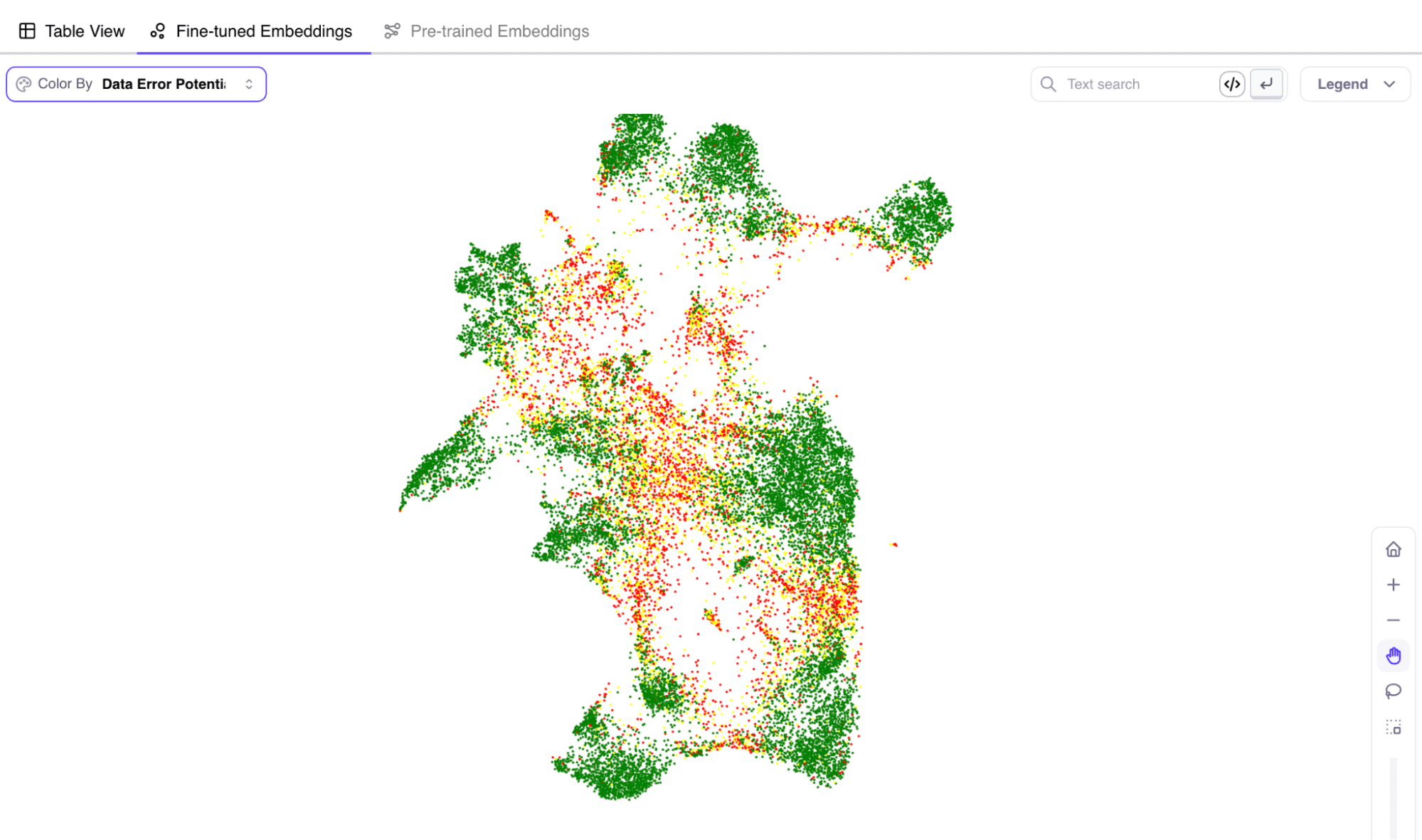
Vector embeddings, the alchemists in the world of data, accomplish a miraculous feat by converting huge and complex datasets into machine-readable formats. This transformation lays the foundation for easy processing and analysis by machines learning algorithms, unleashing the full potential of unstructured data.
Vector embeddings are an effective tool that can provide order to seemingly chaotic data. By presenting data numerically and using multi-dimensional grids, they can be used to build a language that is understood by machines. This language lets them transcend the complexity of raw data and open up the possibility to gain understanding.
One of the remarkable features of vector embeddings is their flexibility. The numerical representations are able to adapt seamlessly to any situation regardless of whether you are dealing with text, images or audio. Vector embeddings are the new language of machines in the world of text. They can decode the nuances of language and uncover connections in written content.
The embeddings of vectors can have the same impact on visual data. Images, which are often packed with visual layers transform into something other than just pixels. Vector embeddings highlight the complexity of an image and provide an interpretive machine-readable interpretation, which allows for sophisticated analysis of images.
Vector embeddings are sonic adventurers in the world of audio that translate the complexity of sound into mathematical representations. These numbers represent the nuances of pitch, tone and rhythm, which allows machine learning algorithms decipher intricate patterns that are present in audio data.
The main purpose of vector embeddings is not only to encode data in a format that is machine-readable, but to serve as conduits to facilitate seamless integration of data that is not structured into the realm of machine learning. It is the conversion from the unstructured, raw state into a format that algorithms can readily comprehend that marks the real power of vector embeddings.
The process of transformation is not just about data conversion; it is about transforming the unseeable into the visible and the chaotic to understandable. Vector embeddings are a numerical wonder that makes the unseeable visible. They allow machines to decipher the complexities of unstructured and chaotic data.
Vector embeddings play an increasingly important function as we move into the age of machine learning and AI. These aren’t just numbers; they serve as conduits to understand the vast amount of information available. In the grand weave of data science, vector embeddings form the threads that make up a cohesive narrative. They enable machines to grasp the structure and language of unstructured datasets, empowering them to achieve their full potential.
Vector embeddings, in final are beacons that shine a a light of clarity on the vast seas of unstructured and chaotic data. They are the guiding beacons that transform complexity into clarity and chaos into order. Vector embeddings continue to be at the forefront in our quest to discover the secrets of data. They can unlock content that is not structured and assist in creating an environment where computers can effortlessly navigate and understand data.