Aviation, which was once associated with busy airports and responsibilities in-person, is now undergoing an entirely new era. Remote airline jobs represent an exciting change in the way the industry functions, thanks to the advancements in technology and a growing emphasis on flexibility. They allow professionals to contribute in the aviation sector at their own home or a remote area, transforming the traditional path to work. They also provide a unique balance between work and life.
Remote Airline Jobs are on the rise
In the past, jobs that required physical presence were the norm within the aviation sector. They included pilots, ground staff and flight attendants. The rapid growth of digital technology has transformed the ways airlines operate. Many jobs that required personal interaction can now be completed effortlessly. Remote work is a fantastic alternative for airlines. From data analysis to customer service queries They have proven to be a effective and reliable option.
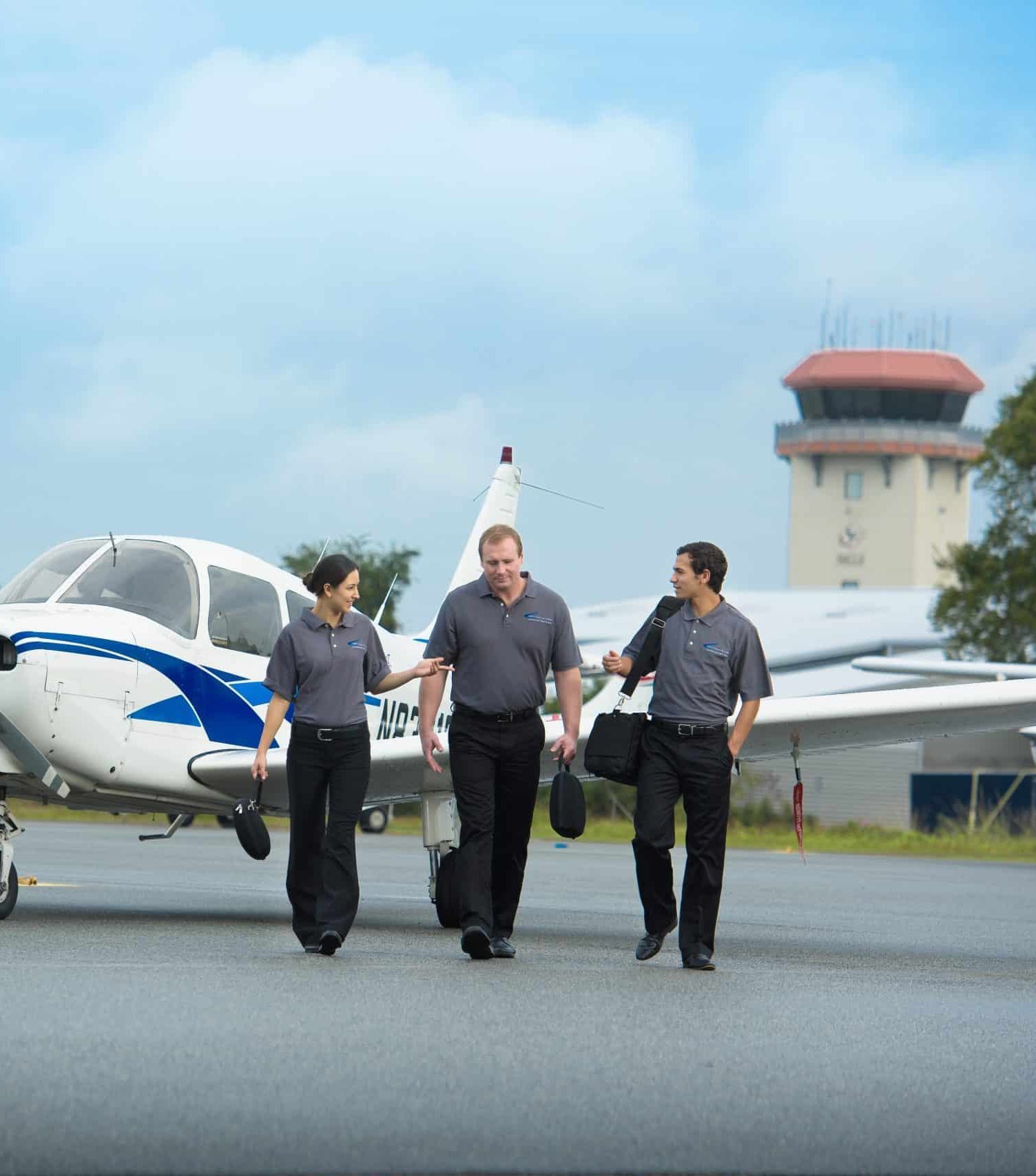
Image credit: flightschoolusa.com
The change isn’t only about the convenience. Remote work can be a cost-effective solution for airlines since it lowers the overhead expenses that are associated with office space. Working at home reduces the stress of traveling, encourages more balanced work-life balance, and permits employees to take advantage of global opportunities.
Remote Airline Jobs: Roles
Remote airline jobs are numerous and encompass a variety of jobs that require a variety of knowledge and abilities. The most well-known jobs include:
Customer Service Representatives: Resolving questions and complaints, and managing reservations can be completed virtually. This makes customer service one of the most sought-after remote airline jobs.
Revenue Management Analysts: These experts remote-based, they use advanced analytical tools to improve the price of tickets and revenue streams.
Airlines depend on marketing experts to develop campaigns, manage their social media accounts, and improve online engagement.
Travel agents: These professionals make use of technology to assist clients make plans for their trip and book flights.
IT and Cybersecurity professionals: Assisting airlines in their system, making sure data security is secure, and maintaining IT infrastructure are all crucial tasks that can be done remotely.
Remote airline jobs that include flight benefits
Remote airline jobs that offer flights are appealing because they offer flexibility for professionals and traditional perks of aviation. These jobs are becoming increasingly sought-after due to a variety of reasons.
Flexible work-life balance: Remote jobs permit employees to tailor their work schedules to accommodate both professional and personal obligations, which results in increased satisfaction at work.
Cost savings: Working from home lets you reduce your expenses for the day like meals, transportation and other costs.
Many airlines provide remote employees benefits on flights, such as reduced or no cost travel. This not only increases employee satisfaction but also provides unique travel opportunities.
Remote Accessibility: Remote jobs permit workers to work from various places, which creates a more diverse and diverse workforce.
Airlines Remote Worker Skills Requirements for Workers
Certain abilities are needed to be successful in remote airline jobs.
Technical Proficiency – Knowledge of the software and tools within the aviation industry is crucial to ensure a smooth remote operation.
Communication Skills Collaboration between teams depends on having strong communication skills, both verbal and written.
Time management: The ability to handle deadlines and tasks by yourself is crucial to be successful in remote working environments.
Problem-Solving: Remote jobs typically need quick thinking, flexibility and the ability to resolve problems without immediate assistance.
Where to find Remote Airline Jobs
For landing in a remote airline location, you must plan your approach strategically. Here are some steps to help you get started:
Find job openings by going to airline career sites or job boards for remote workers.
Polish your resume by highlighting the experience of remote workers, technical abilities and relevant certificates.
Utilize LinkedIn to connect with aviation professionals and to learn about opportunities.
Prepare for interviews via virtual medium Answer questions that demonstrate your ability to handle the remote work and be able to work on your own.
Remote Jobs in the Airline Industry Future of Remote Airline Jobs
Remote work for airlines will remain highly sought-after as airlines continue to innovate. The aviation industry benefits from advances in data analytics, communications technology, and automation.
Remote work is a trend that mirrors the changes in workplaces of today that emphasize the flexibility, efficiency and employee satisfaction. Remote airline jobs are an excellent alternative for those looking to work from home without being confined by traditional jobs.
This type of job allows professionals to take advantage of both the advantages as well as the difficulties working from home. Remote airline jobs that include benefits for flights are ideal for those who are looking to begin an aviation career, whether you’re an expert or are just beginning your journey.